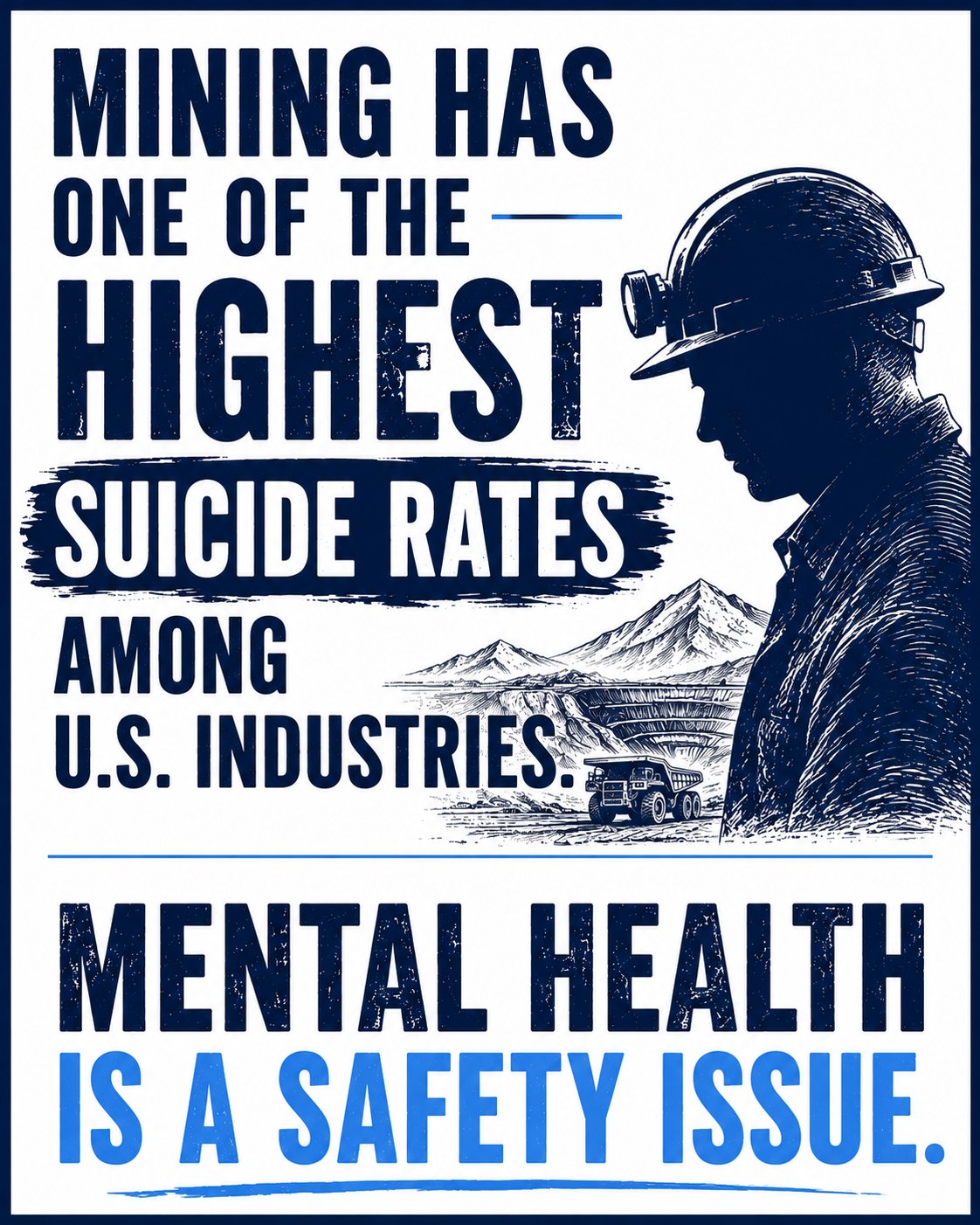
Mining has one of the highest suicide rates of any industry in the United States. The industry learned to protect the body. It's time to protect the mind the same way: by paying attention, speaking up and acting early.
Every mine has a system for the hazards you can see: pre-shift exams, roof control, lockout, task training. Crews are taught to notice what's wrong and say something before it hurts someone. Nobody calls that soft.
The hazards you can't see get none of that. Long rotations, isolation, physical risk, a culture that prizes toughness, and the knowledge that one mistake can cost a life carry a mental-health burden that rarely shows up in a safety report but shows up everywhere else: in fatigue, in distraction, in short tempers, in the decisions people make at the face and on the bench, and sometimes in a funeral.
Mental Health in Mining is a plain-spoken effort to treat the mind the way the industry treats the body. No clinical lecture, no slogans. A shared language for a subject that has stayed quiet too long, and practical ways to notice, ask and act that fit a mining environment, not an office.
Source: Sussell A, Peterson C, Li J, et al. Suicide Rates by Industry and Occupation — National Vital Statistics System, United States, 2021. MMWR 2023;72(50):1346–1350. CDC.
Treat a change in a co-worker like a change in ground conditions. Quieter than usual, short-tempered, missing shifts, drinking more, giving things away, talking like there's no future. You don't have to diagnose anything. You just have to notice.
Find a private moment and ask plainly: "You don't seem yourself lately. What's going on?" Then listen without fixing, judging or changing the subject. You don't need the right words. You need to be the one who asked.
Stay with them. Call or text 988 together, or walk them to a supervisor, EAP or someone they trust. Follow up the next shift. The same rule as any hazard: don't walk past it.
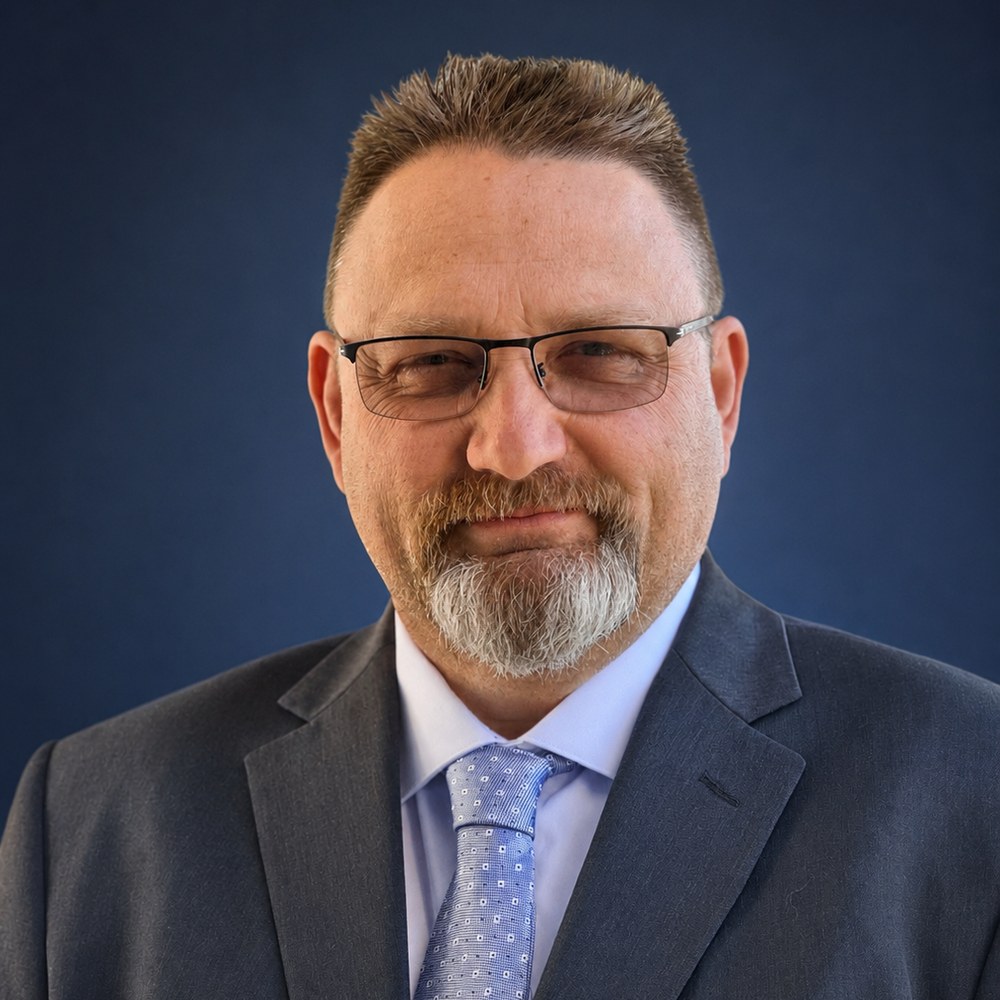
Scott spent more than three decades in mining, surface and underground, from operations to federal mine safety work. He speaks to conferences, wellness events, community groups and online audiences about mental health in mining and the pressures that compete with safety. Keynotes, breakouts, workshops and panels, in person or online.